
Lay saints · Women saints
Saint Elizabeth of Hungary
Elizabeth of Hungary, also known as Elizabeth of Thuringia, used her position as a landgrave's wife and later her own resources to serve people in poverty and illness.
- Feast day
- November 17
- Commemoration
- Catholic
- Region
- Central Europe
- Lifetime
- Thirteenth century
The life & witness
Who was Saint Elizabeth of Hungary?
Chapter 01 · Early life and limits
A royal child in Thuringia
Elizabeth was born in 1207 to the Hungarian royal family and was raised in Thuringia for a dynastic marriage. The Vatican account notes disagreement about her exact birthplace. Stories of her unusual compassion from earliest childhood come through later remembrance; the setting of courtly education and arranged marriage is better established. Her vocation unfolded within the obligations and power relations of a medieval ruling household. [1]
Chapter 02 · Life at court
Marriage, family, and generosity
Elizabeth married Louis of Thuringia and had children. Sources describe her using household resources to aid people who lacked food and care. Her concern for the poor did not erase her responsibilities as wife and mother; it shaped how she understood them. The well-known miracle of roses belongs to later tradition and should not replace the documented patterns of giving and service. Accounts of the marriage portray mutual respect while also reflecting the devotional purposes of their authors. [1]
Chapter 03 · Later life
Widowhood and care for the sick
Louis died while away on crusading business, and Elizabeth's circumstances changed sharply. She moved toward a more austere life, associated with the Franciscan movement, and founded a hospital at Marburg. She attended sick people herself and used what remained of her resources for their care. Her spiritual director Conrad of Marburg imposed severe discipline; this part of her story should not be romanticized or turned into a model for coercive treatment. [1]
Chapter 04 · Catholic commemoration
Death and memory
Elizabeth died in 1231, still a young woman, and was canonized in 1235. Her Catholic feast is November 17 in the current catalogue. She has become a model of mercy in action, yet the historical record also shows difficult family, political, and spiritual pressures. The most grounded account gives room to her agency and practical service without making every later miracle story a biographical fact. [1]
Church calendars
Documented commemoration of Elizabeth of Hungary
These entries describe the named calendar sources below; they do not claim to survey every local church.
Catholic
In the Catholic Church
Catholic Church · Vatican News calendar
Commemorated November 17 · Date as listed in the Vatican News English calendar.
Calendar record [2]
Only one Church’s commemoration has been documented in this record. This is not a claim that other churches do not remember this saint.
Devotional reading
Prayer & devotion
Prayer for generous service with Saint Elizabeth
Original composition · Catholic commemoration
Lord Jesus Christ, open our hands to those without food, shelter, or care. Through the prayers of Saint Elizabeth of Hungary, give us generosity that respects the dignity of the poor and strength to continue serving when our own lives become difficult. Amen.
East & West Devotions · original devotional prayer
Research notes
Historical sources
References are linked to the chapters and calendar claims they support. A devotional account is distinguished from an independent historical record.
Artwork & rights
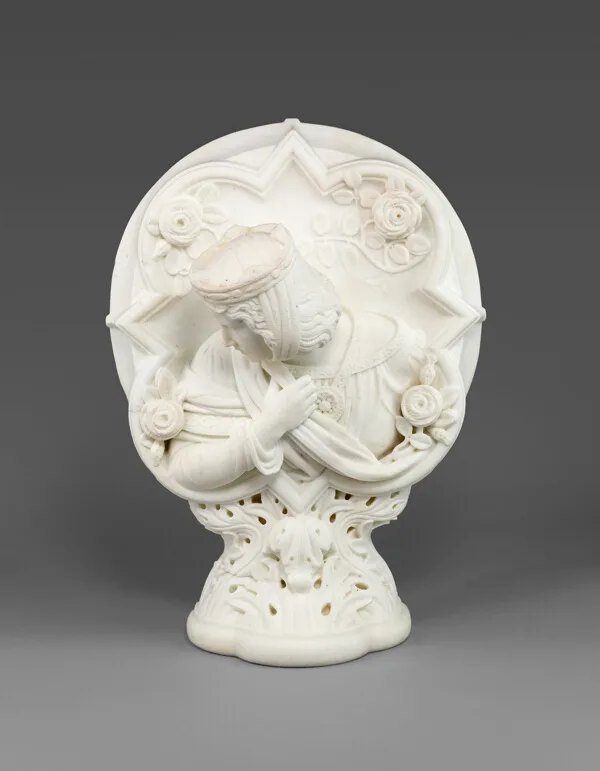
Saint Elizabeth of Hungary, Félicie de Fauveau. Art Institute of Chicago. · Public domain (Art Institute of Chicago Open Access, CC0). View the source and rights record. This is a later artistic depiction, not a portrait from life.
Continue reading
Related saints & chapters
Published 2026-11-21 · Record reviewed 2026-11-21. Dates describe editorial review, not verification of every biographical claim.