


The Early Church Fathers
Meet the writers who taught, defended, and lived the Christian faith.
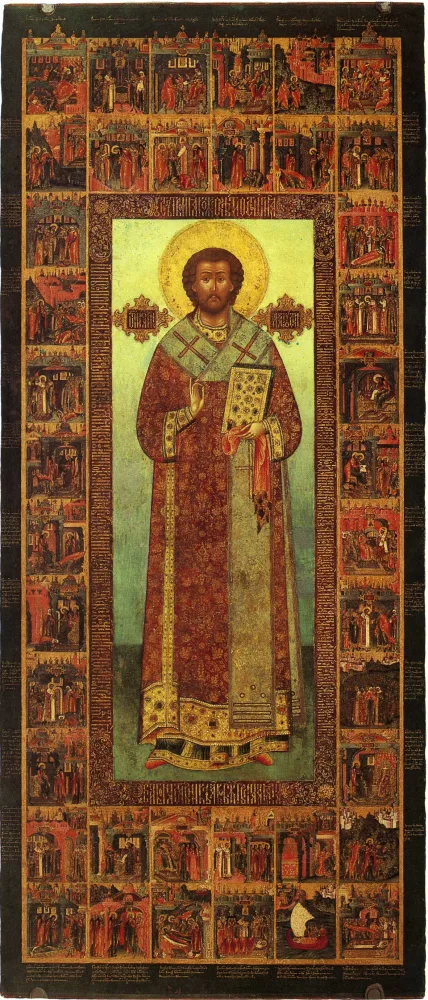
Explore the Fathers Saint John Chrysostom
Christian heritage
The History We Share in Christ
From the apostles in Jerusalem to the councils of the first millennium, discover the history, faith, and traditions that unite Catholic and Eastern Orthodox Christians.
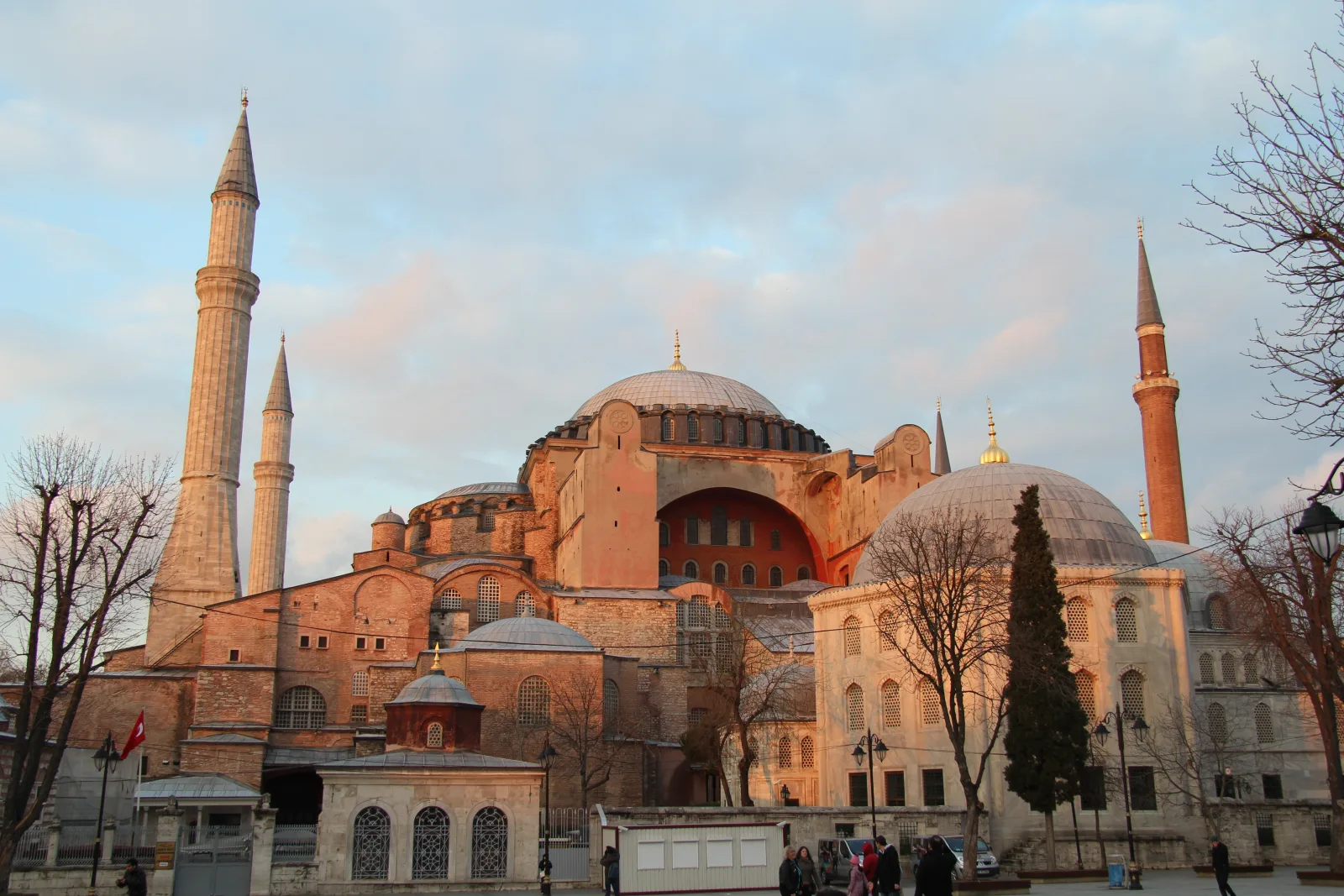
Deësis mosaic, Hagia Sophia · Photo: Osama Shukir Muhammed Amin · CC BY-SA 4.0 · resized to WebP, display cropped
The apostolic witness from which East and West trace their beginnings.
Scripture, the creed, and early Christian worship remain shared foundations.
Prayer and theology took distinctive forms across many cultures.
A common Christian history remains, despite enduring divisions.
Our shared beginnings
Christianity began with Jesus gathering disciples. Acts follows his witnesses into Jerusalem and outward to other communities. Their faith, worship, and questions shaped a history that Catholics and Eastern Orthodox Christians still study together.
These seven chapters move from apostolic beginnings through the early Church Fathers, distinctive traditions, and the councils of the first millennium. They also name differences that remain between the Churches today.
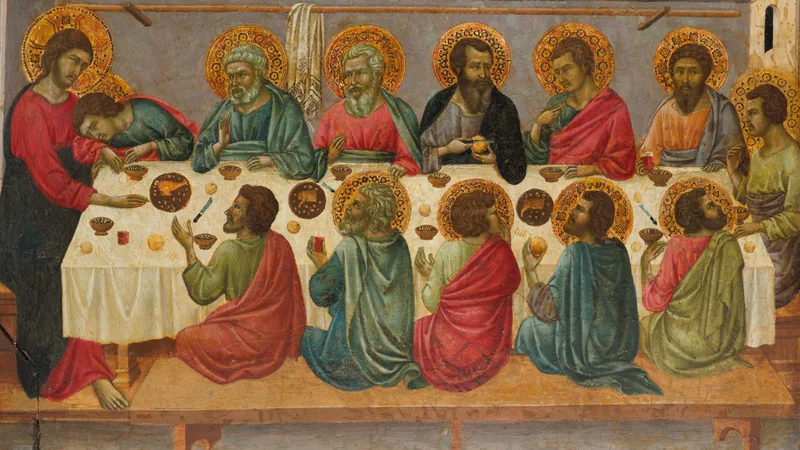 01The beginnings of the ChurchChrist, the apostles, and the community in Jerusalem.
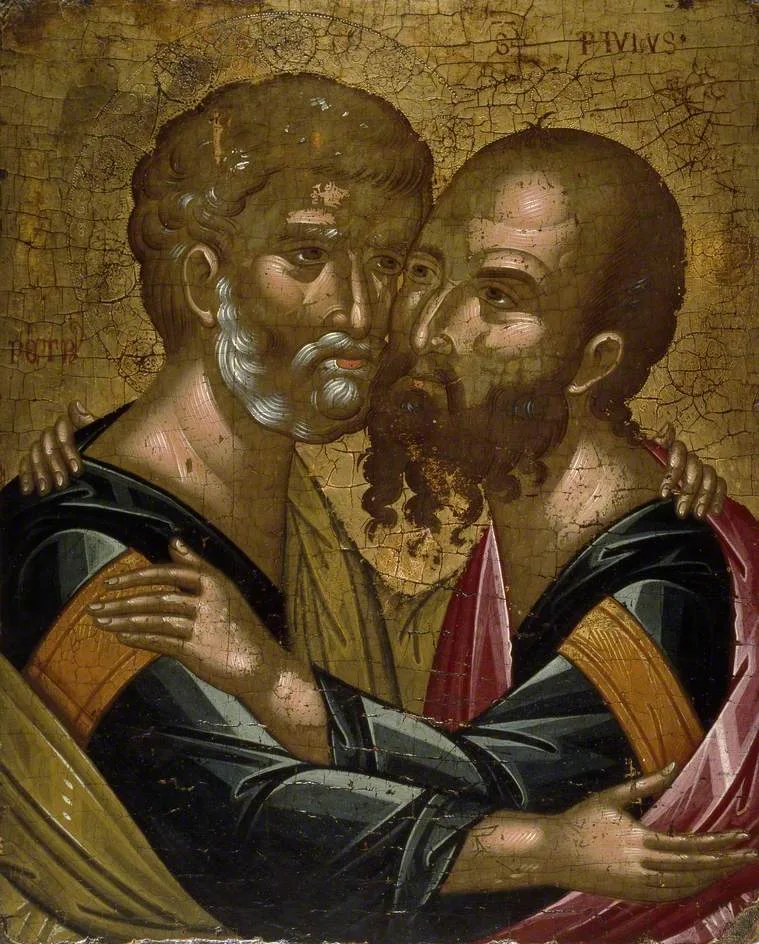 02The lives of the apostlesThe witnesses remembered in the New Testament.
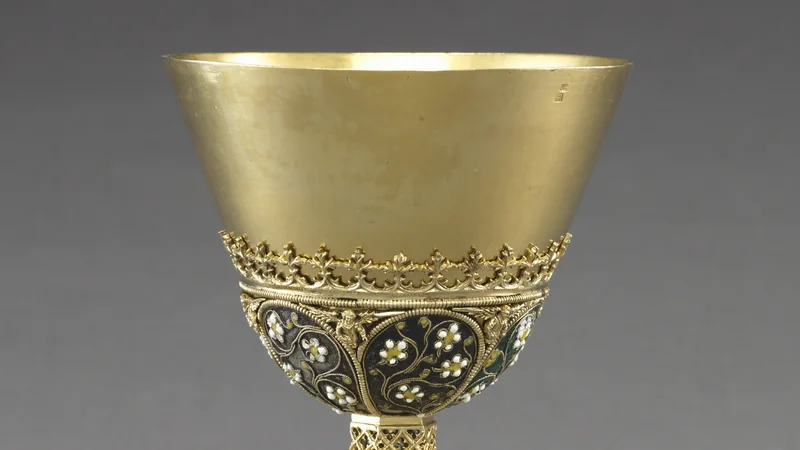 03At the early Christian tableWorship, the Eucharist, and care in early communities.04Letters from the FathersEarly teachers writing about faith and church life.
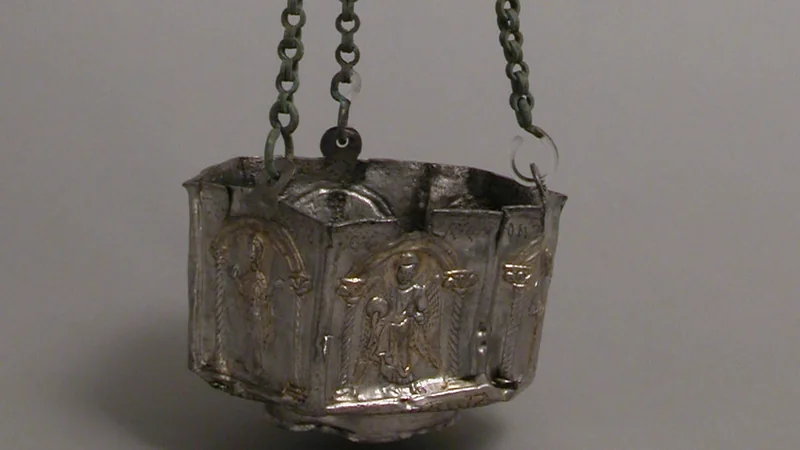 05Traditions of East and WestWorship and common life across Eastern and Western cultures.
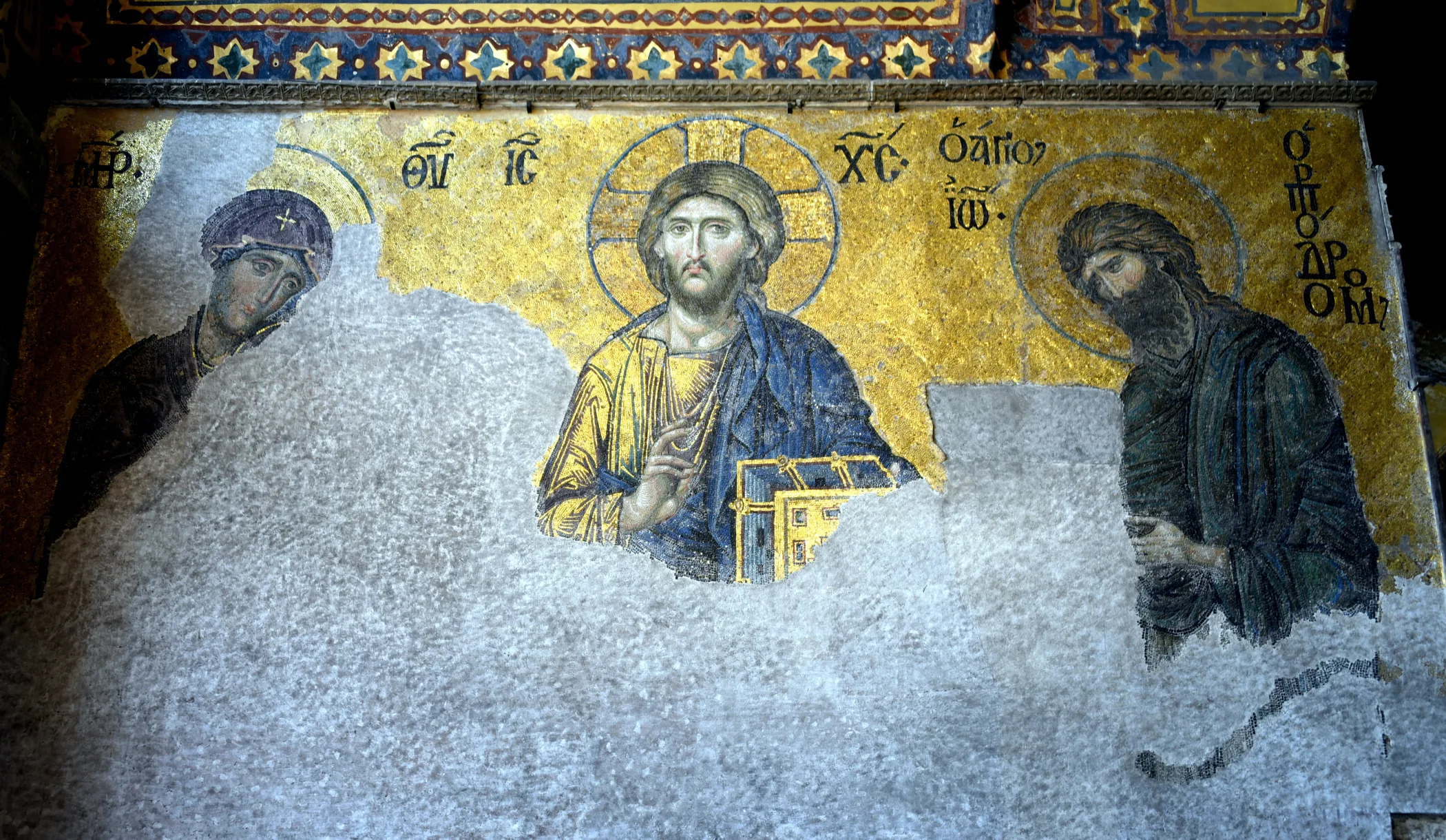 06The early ecumenical councilsThe first seven councils and their lasting teaching.
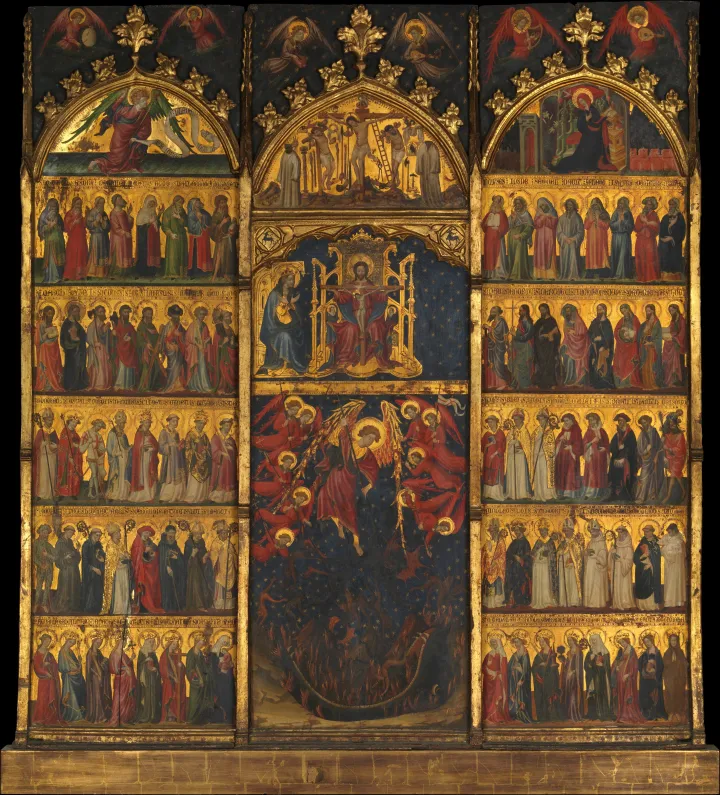 07A heritage held in commonThe inheritance Catholics and Orthodox continue to study.
Chronology
Moments in Our Shared Christian History
Select a milestone to read its sourced explanation below. These later artworks illustrate themes; they are not contemporary records of the events.
First centuryPentecost in JerusalemIn Acts, the Spirit descends on the gathered disciples.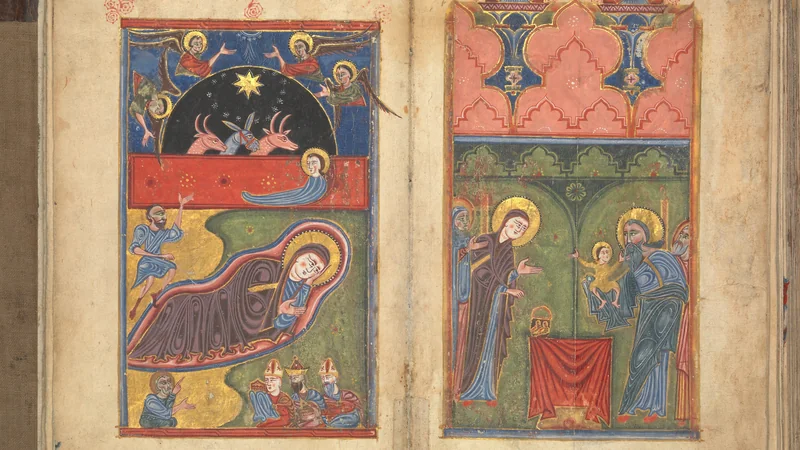 Late first centuryRome writes to CorinthIn the letter associated with Clement, the Roman church urges reconciliation after a dispute over leadership in Corinth.325Nicaea IThe council confesses that the Son is of the same divine being as the Father.451ChalcedonThe council confesses Christ’s full divinity and humanity in one person.
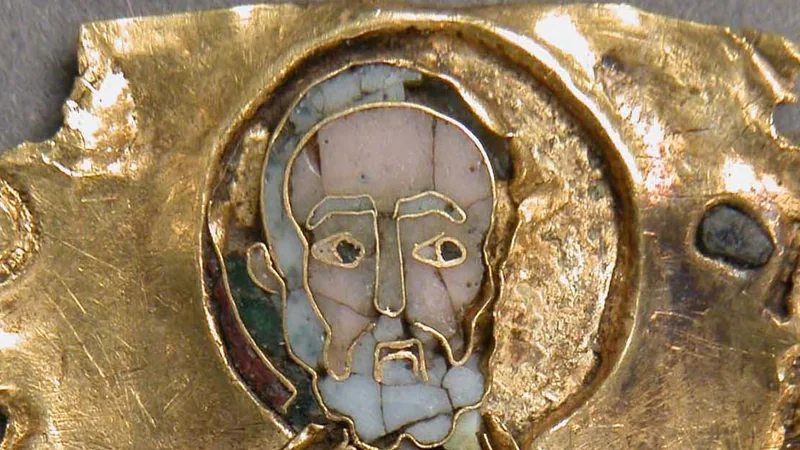 787Nicaea IIThe council defends the veneration of holy images and distinguishes it from the worship offered to God.
Open any event for its full explanation, primary or scholarly source, and related chapter.
In Acts, the Spirit descends on the gathered disciples. Peter preaches and a community of baptized believers takes shape.
Source · Acts 2:1–47 · Pentecost in Jerusalem
Read related chapterFollowing prayer and fasting, the community sends two of its members to preach. Their journey begins with a crossing to Cyprus.
Source · Acts 13:1–5 · Barnabas and Saul sent from Antioch
Read related chapterA dispute about circumcision brings delegates to Jerusalem. Acts recounts how apostles and elders hear testimony and send a letter to Gentile believers.
Source · Acts 15:1–35 · The assembly in Jerusalem
Read related chapterIn the letter associated with Clement, the Roman church urges reconciliation after a dispute over leadership in Corinth.
Source · Benedict XVI, Saint Clement, Bishop of Rome · Catholic historical reflection
Read related chapterJustin describes readings, prayers, the Eucharist, and a collection for people in need in his First Apology.
Source · Justin Martyr, First Apology, chapters 65–67
Read related chapterThe council confesses that the Son is of the same divine being as the Father.
Source · Nicaea I · Creed of 325
Read related chapterThe council upholds Nicene faith and affirms the divinity of the Holy Spirit.
Source · Orthodox Church in America, The Councils · Orthodox catechesis
Read related chapterThe council affirms Mary’s title Theotokos in confessing who Christ is.
Source · Orthodox Church in America, The Councils · Orthodox catechesis
Read related chapterThe council confesses Christ’s full divinity and humanity in one person.
Source · Chalcedon · Definition of faith
Read related chapterThe bishops revisit the teaching about Christ handed down through earlier councils.
Source · Constantinople II · Sentence of the council
Read related chapterThe bishops affirm that Christ possesses a human will as well as a divine will.
Source · Constantinople III · Definition of faith
Read related chapterThe council defends the veneration of holy images and distinguishes it from the worship offered to God.
Source · Nicaea II · Definition on the veneration of images
Read related chapterMeet the writers who taught, defended, and lived the Christian faith.
Explore the Fathers Saint John ChrysostomDiscover how Christian worship and life developed across different cultures.
Explore East & West Read the chapterStudy the inheritance both Churches hold while recognizing real disagreements and the absence of full communion.
Read our shared heritage Explore East & West