
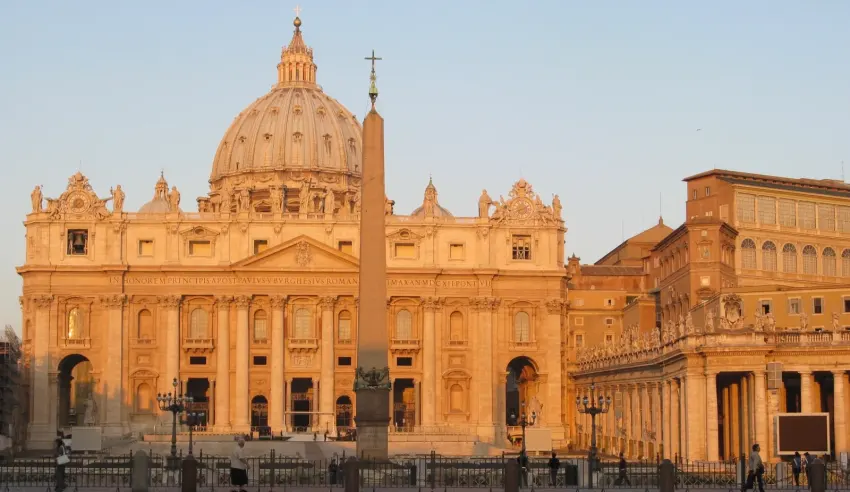
The Western Tradition
The Catholic Church
An ancient faith. A living tradition. Rooted in the apostles.
Explore Catholic history, teaching, worship, and spiritual life—from the apostolic age to the present day.
Apostolic foundations
A Church tracing its life to Christ and the apostles
The Catholic Church traces its origins to Jesus Christ, the witness of the apostles, and the first communities of believers. Catholics understand the bishop of Rome as the successor of Peter and a visible center of communion among bishops. The shape and scope of Roman primacy developed over time and remain subjects of Catholic–Orthodox dialogue.
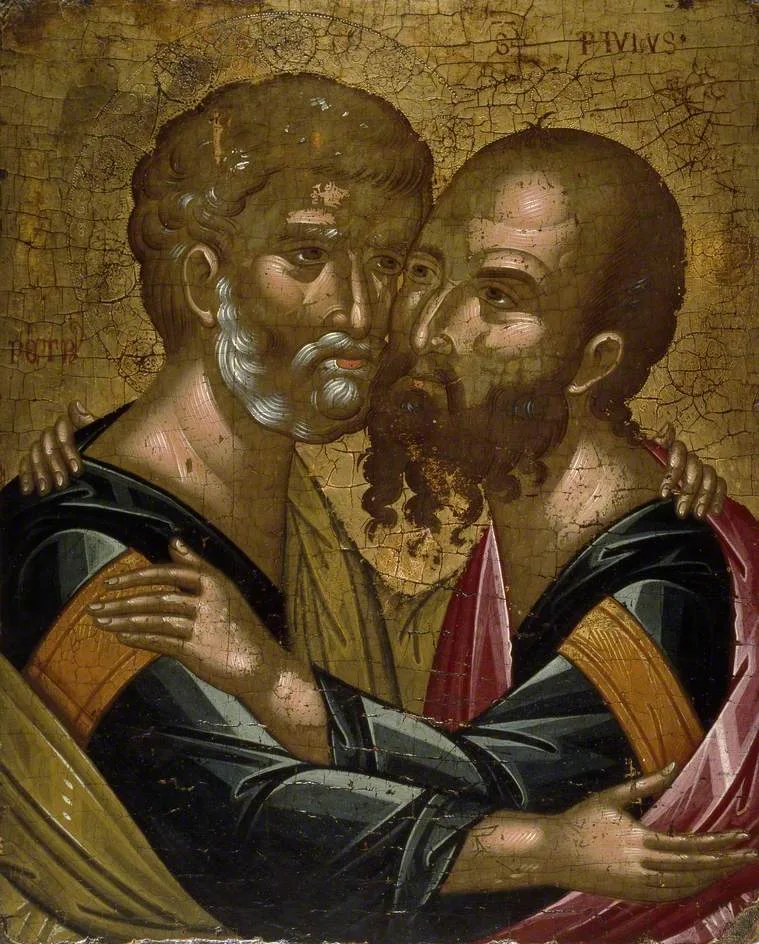
Matthew records Jesus addressing Peter: “You are Peter, and upon this rock I will build my church.” Catholics read this passage together with other biblical and historical witnesses to Peter’s role. Orthodox Christians also honor Peter, while differing on what universal authority follows for his successors.
Sources and passages (2)

Explore the Church
Faith, history, and tradition
Six ways into the full, cited guide below.
 01The Apostolic FoundationsThe apostles, first communities, and handed-on faith.Read the chapter
 02What Catholics BelieveScripture, the Trinity, salvation, and sacramental life.Read the chapter
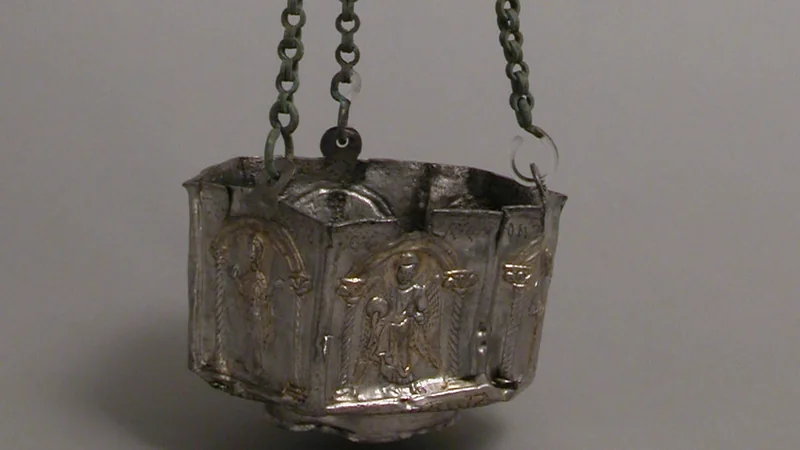 04Worship and Spiritual LifeThe Eucharist, prayer, and the Christian year.Read the chapter
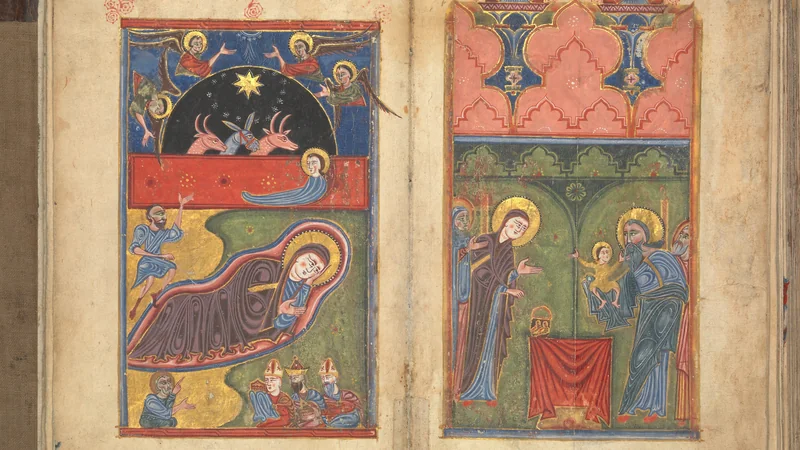 05Two Thousand Years of HistoryCouncils, renewal, and the Church’s ongoing dialogue.Read the chapter 06Catholicism and the Christian EastEastern Catholic traditions and the relationship with Orthodoxy.Read the chapter
A living tradition
The Catholic Church in a Global Family
The Latin Church and the Eastern Catholic Churches live in communion with the bishop of Rome. Their liturgical, theological, and spiritual traditions have equal dignity; a Byzantine Divine Liturgy and a Roman Mass give different expressions to Catholic life.
Read about Eastern Catholic traditionsOur shared apostolic heritage
One beginning, distinct traditions
Catholic and Eastern Orthodox Christians share the confession of Jesus Christ, apostolic origins, sacramental worship, and the witness of the early councils. They also hold real differences about authority and other teachings, and full communion has not been restored.
Explore the Orthodox Church Compare key differencesThe full guide
Read the chapters and sources
The original research and references continue below.
From Jerusalem to the churches of the apostles
When Paul reminded the Corinthians what he had preached, he began with a tradition he had himself received. Christ died, was buried, rose and appeared to witnesses. Paul names Cephas, the Twelve and other witnesses before speaking of his own encounter. His letter lets us hear an apostle passing on a confession already shared among Christians. Acts gives a different kind of witness. In its account of Pentecost, people hear the proclamation in their own languages, receive baptism, share meals, pray and care for those in need.
Catholics understand these communities as the beginnings of the Church Christ gathered and sent. An early letter from the church of Rome to Corinth, known as First Clement, shows Christians debating how ministry should continue after the apostles. Later, Irenaeus of Lyon appealed to the public teaching and remembered succession of bishops, particularly at Rome, when rivals claimed access to secret teaching. A succession mattered to him because Christians could ask what had actually been taught in a community. Neither witness offers a complete map of government in every early church.
The bishop of Rome and the local churches
A bishop has a particular people to care for. He preaches, oversees sacramental worship and governs the local church entrusted to him. Priests share in his pastoral ministry, while deacons serve in worship, proclamation and charity. Catholics understand episcopal consecration, the laying on of hands with prayer, to confer the fullness of Holy Orders. A bishop teaches and governs within a communion of bishops. Vatican II describes his responsibility for his own church as a real authority of his office.
Catholics read the promise of the keys to Peter in Matthew 16 in light of the ministry exercised by his successors at Rome. They hold that the pope can exercise supreme authority throughout the Church and that the college of bishops shares supreme authority in union with him. Papal infallibility has precise conditions. It applies when the pope, acting as pastor of all Christians, definitively teaches a matter of faith or morals for the whole Church. A papal interview, a political judgment and the solemn definition of a doctrine consequently call for different kinds of reading.
Several churches can share a rite. Within Catholic communion, the Latin Church and the Eastern Catholic Churches have equal dignity. Eastern churches preserve distinctive traditions of liturgy, theology, spirituality and government. Some are headed by patriarchs with synods of bishops. A Catholic celebrating a Byzantine Divine Liturgy belongs to a tradition also familiar to many Orthodox Christians. Membership in a church involves a community and its bishops as well as the form of its worship.
Reading Scripture and weighing Church teaching
At Mass, a congregation hears an ancient text addressed to people in a particular place. How can a letter to Corinth speak across centuries? Dei verbum asks interpreters to attend to the human author’s purpose, literary form and circumstances, then to read the passage alongside the whole of Scripture and within the Church’s living faith. Catholics call Scripture inspired and receive it alongside Sacred Tradition. Together they transmit the revelation fulfilled in Christ. Through preaching, worship and study the Church can grow in understanding what it has received.
The Magisterium is the teaching office exercised by the pope and the bishops in communion with him. It serves the word of God. Catholic teaching distinguishes revealed dogma, teachings definitively held because of their connection with revelation, and authoritative teaching that has not been proposed as definitive. The last category still calls for a religious assent of mind and will. Theologians can offer further interpretations whose weight depends on their arguments. Disciplinary rules, such as a local Catholic obligation of abstinence, direct conduct and can change. The kind of claim a document makes matters as much as its author.
The God Christians confess and the humanity of Jesus
Catholic prayer ordinarily approaches the Father through the Son in the Holy Spirit. Each of the three is fully God. The persons are distinct in their relations to one another and share one divine nature. The Son took human nature when he was conceived in Mary’s womb. As the Word through whom all things were made, the Son is eternal. John opens his Gospel with both convictions, first speaking of the Word with God and then of the Word taking flesh and dwelling among us.
Councils give a history to the words Christians use here. In 325 the bishops at Nicaea affirmed that the Son shares the Father’s divine being. In 451 Chalcedon confessed one person, Jesus Christ, in two natures. His humanity is complete, and his divinity endures in the Incarnation. For a Christian reading the Passion, the distinction matters. The person who suffered and died truly experienced human suffering and is the same Son whom Christians worship. Catholics and Eastern Orthodox receive these early councils as authoritative witnesses to apostolic faith.
Seven sacraments in a Christian life
Water poured in baptism, anointing with oil and the laying on of hands are actions that can be seen and felt. Catholics believe that Christ acts through the sacraments and communicates the grace they signify. The Church groups three under initiation. Baptism forgives sin and incorporates a person into Christ. Confirmation, called chrismation in the East, strengthens the baptized with the gift of the Holy Spirit. The Eucharist brings initiation to its fulfillment in communion with Christ. Eastern Catholic traditions can administer all three to an infant. Different schedules of initiation affect how families experience the same sacraments.
Two sacraments concern healing. In penance the baptized receive forgiveness and reconciliation after sin. Anointing of the sick joins those endangered by illness or old age to Christ and gives strength in their suffering. Two others establish vocations of service. Holy Orders ordains bishops, priests and deacons for distinct ministries. In matrimony, the enduring covenant of baptized spouses becomes a sign of Christ’s love for the Church. The seven together show why the Church speaks of sacraments both in the singular life of a Christian and in the life of the whole body.
Sources and passages (4)
- Compendium of the Catechism, questions 224–232, 250–251, 295–350
- Catechism of the Catholic Church §§1229–1233 · Initiation in East and West
- Second Vatican Council, Orientalium ecclesiarum §§12–18 · Eastern sacramental discipline
- Second Vatican Council, Lumen gentium §11 · Christian life in the sacraments
What happens at the Eucharist?
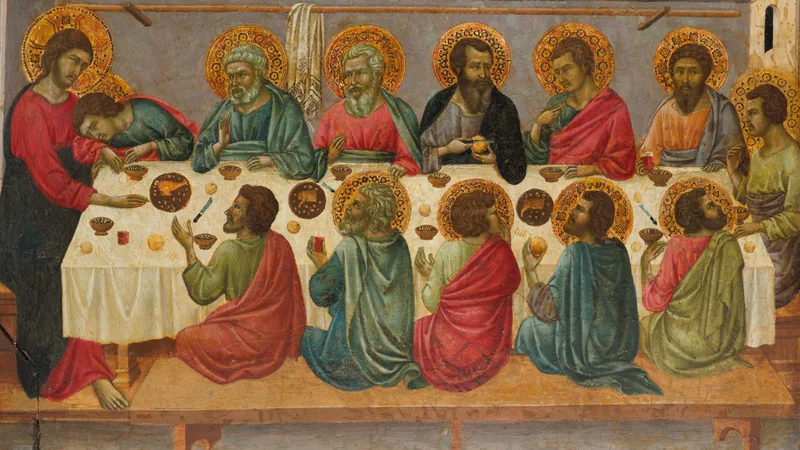
Paul recounts Jesus giving bread and the cup to his disciples in the same letter where he rebukes wealthier Christians for humiliating those who have little to eat. The Eucharist binds the assembly to Christ and places a claim on how its members treat one another. In the second century Justin Martyr described a Sunday gathering in which Christians heard readings, offered prayers, shared the Eucharist and gave what they could to assist others. His account preserves the shape of a particular early celebration.
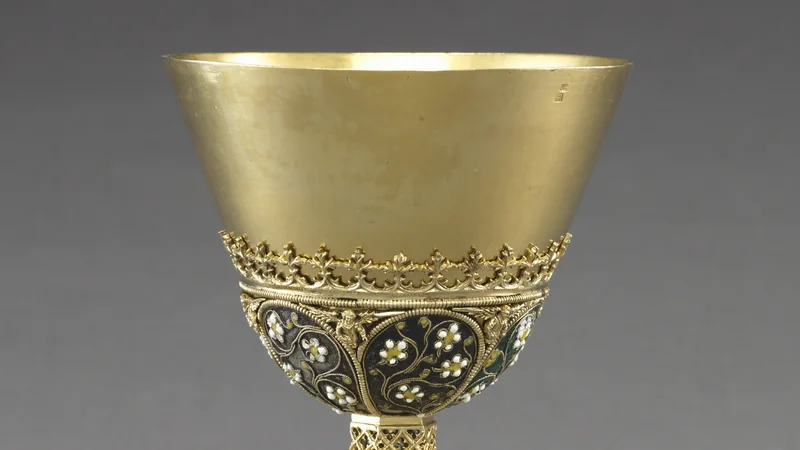
In the Roman Mass, the proclamation of Scripture leads into the offering of the gifts and the eucharistic prayer. Catholics understand this memorial to make Christ’s once-for-all sacrifice present sacramentally. They confess that the consecrated bread and wine are truly his Body and Blood. The word transubstantiation names the change of their entire underlying reality while the appearances of bread and wine continue. The Church therefore adores Christ present in the Eucharist and reserves the consecrated gifts, including for Communion of the sick. Eastern Catholic liturgies give the same faith expression through their own prayers and ceremonial traditions.
Grace, faith and the work of love
Ephesians speaks of salvation as God’s gift, then describes the good works for which human beings are created in Christ. James asks what a profession of faith accomplishes if someone sends a hungry brother or sister away without food. Read together, the passages illuminate the Catholic understanding of justification. God takes the initiative, forgives sin and gives a person a share in divine life. Even the capacity to welcome this gift depends on grace. The believer answers freely in faith and can grow in charity as the Spirit heals and sustains that freedom.
When Catholic theology speaks of merit, it assumes this prior gift. No human act can earn the grace that first reconciles a person to God. Once a person lives in Christ, freely chosen acts of love have enduring worth because God makes that cooperation possible. In practical moral teaching this reaches beyond the individual act. In his reading of the Good Samaritan, Pope Francis asks how a community treats its wounded members and who bears the cost of helping them. Visiting the injured, paying for their care and making room for strangers give faith a social expression.
Confession, forgiveness and repairing harm
Catholics call sin mortal when three conditions coincide. The matter must be grave, the person must understand its gravity and the choice must be sufficiently deliberate. Moral seriousness and the culpability of a particular person are therefore distinct questions. Venial sin wounds the love of God and neighbor in a person’s life. Mortal sin destroys that charity. In either case repentance begins with the possibility of mercy. Christian examination of conscience asks about omissions as well as actions, including a grave need one had the means to relieve.
In the sacrament of reconciliation a person acknowledges sins before a priest, expresses sorrow and intends to turn from them. The priest grants absolution in Christ’s name and assigns a penance. Forgiveness also gives the penitent a responsibility toward anyone injured. Someone who has stolen another person’s property should return it as far as possible. Where a false accusation has damaged a reputation, correcting the accusation is a work of justice. Catholic teaching calls such efforts satisfaction. They are ways of healing a wound that can continue after guilt is forgiven.
Mary and the communion of saints
Luke introduces Mary as a woman who hears a promise, asks a question and gives her assent. She then visits Elizabeth and sings of God lifting up the lowly. The title Theotokos, Mother of God, expresses a conviction about the child she bears. Her son is the eternal Son of God in human flesh. Catholics confess her perpetual virginity. They also distinguish Jesus’ virginal conception from Mary’s Immaculate Conception. The dogma defined in 1854 holds that, through a singular grace granted in view of Christ’s merits, Mary was preserved from original sin from the first moment of her own conception.
In 1950 Pius XII defined the Assumption, teaching that at the completion of her earthly life Mary was taken body and soul into heavenly glory. The definition leaves the manner of that completion open. For Catholics Mary’s destiny anticipates the resurrection promised to the faithful. Catholics also ask the saints to pray for them. In this communion, the living and those already with God belong to one body in Christ. Feast days bring particular lives before a worshipping community, while the prayer of adoration is directed to God alone.
Sources and passages (4)
Death, judgment and the resurrection of the body
What do Catholics hope for when they bury the dead? Paul answers the Corinthians by appealing to Christ’s own resurrection. Those who die will rise, and their embodied life will be transformed. Catholic teaching distinguishes this common future from the particular judgment each person undergoes at death. Heaven is complete communion with God and the blessed. Hell is the enduring loss of that communion through a free and final refusal of God’s mercy. These teachings give moral weight both to freedom and to the call to conversion during life.
Purgatory names the final purification of people who die in friendship with God and are already destined for heaven. The Church prays for the dead and offers the Eucharist for them. The teaching identifies who undergoes purification and its purpose. It supplies no earthly timetable for completing it. The Christian creed then looks beyond the destiny of the individual soul to the resurrection of all, the judgment of the living and the dead, and the renewal of creation. Paul’s hope includes the freedom of creation itself.
Prayer at home, in the parish and in religious life
Prayer takes different forms over the course of a day. The Liturgy of the Hours gives praise at appointed times through psalms, readings and intercessions. A family praying the Rosary can use its repeated prayers to meditate on scenes from the Gospel. Catholic tradition also receives the Eastern invocation of the name of Jesus. Liturgy and personal devotion nourish one another. Fasting joins bodily discipline to prayer and almsgiving. A Latin bishops’ conference can specify how its faithful observe penitential days, and an Eastern Catholic follows the discipline of their own church.
Catholic spirituality speaks of a call to holiness in every state of life. A spouse caring for a family member, a lay worker acting justly and a monk keeping vigil all answer that call. Religious institutes give it a particular communal form through the profession of chastity, poverty and obedience. Some communities order their days around contemplation. Others dedicate themselves to teaching, nursing or other works of mercy. Vatican II asked communities seeking renewal to return to the Gospel and the aims of their founders while attending to the actual conditions in which people live.
Sources and passages (6)
- Second Vatican Council, Sacrosanctum concilium §§12–13, 83–90 · Devotions and the Hours
- Catechism of the Catholic Church §§2663–2679 · Praying in the name of Jesus and with Mary
- Second Vatican Council, Lumen gentium §§39–44 · Holiness and religious profession
- Second Vatican Council, Perfectae caritatis §§2, 5–9, 12–14
- Latin Code of Canon Law, canons 1249–1253 · Prayer, fasting and charity
- Second Vatican Council, Orientalium ecclesiarum §§5–6 · Eastern discipline
Reform, councils and relations with the Orthodox churches
In the medieval West, who appointed a bishop had consequences for both church and kingdom. Reformers challenged secular rulers’ control of appointments. The papacy gained influence as it pressed for change. During the same centuries, relations between Greek and Latin Christians suffered from disputes over authority and worship. The sack of Constantinople in 1204 deepened the estrangement. Later, in response to the Reformation, the Council of Trent (1545–1563) addressed contested teaching and the reform of church life. Its provision for seminaries made the formation of local clergy a lasting responsibility of bishops.
The First Vatican Council defined papal primacy and infallibility in 1870. The Second Vatican Council (1962–1965) placed those teachings in a fuller account of the college of bishops, the people of God and the Church’s mission. Catholics receive both as ecumenical councils. Eastern Orthodox churches do not receive them as such. In 1965 Paul VI and Athenagoras, with his synod, lifted the condemnations associated with 1054 from ecclesial memory. They expressly acknowledged that their act left outstanding questions between the churches.
Vatican II recognized the Orthodox churches’ apostolic succession, priesthood and Eucharist. This Catholic judgment gives a theological basis for dialogue while the churches remain divided over the exercise of authority and other teachings. In 2023 the joint theological commission examined changes in primacy and synodality over the second millennium. Its document records what dialogue participants could say together. In 2025 Pope Leo XIV and Ecumenical Patriarch Bartholomew again spoke of full communion as a goal toward which Christians must work.
Sources and passages (5)
- Joint Catholic–Orthodox Commission, Alexandria Document (2023) §§1–5
- Paul VI, Summi Dei Verbum · Trent and the establishment of seminaries
- Second Vatican Council, Unitatis redintegratio §§14–18 · The Eastern churches
- Paul VI and Athenagoras I, Joint Declaration (1965) §§3–5
- Leo XIV and Bartholomew I, Joint Declaration (2025)
Collection readings
Governance and communion
Catholic communion includes the Latin Church and Eastern Catholic Churches. Their bishops are in communion with the bishop of Rome, the pope. Each Church has its own heritage of worship, spirituality and discipline. For example, a Catholic may attend the Roman Mass or belong to an Eastern church that celebrates the Byzantine Divine Liturgy. A rite describes a tradition of worship and life. It does not, on its own, tell you which bishops are in communion.
Trent reshapes Catholic formation
Meeting during the Reformation, the Council of Trent addressed both doctrine and pastoral reform. Its call for seminaries gave Catholic bishops a concrete responsibility for the education of future priests. Later reformers worked to put that decision into practice.
Faith and the Church
A diocese or eparchy is a particular church gathered around a bishop in apostolic succession. Catholics recognize the Church of Christ at work in each such community. Communion among the bishops and with the bishop of Rome belongs to their understanding of visible unity across the whole Church.
The liturgy of initiation
Catholic adults ordinarily receive Baptism, Confirmation and the Eucharist together at their initiation. In the Roman Rite, a baptized child usually receives Confirmation and first Communion later. Eastern Catholic traditions keep the three mysteries together even for infants.
The sound of evening prayer
At Byzantine Vespers, the opening psalm praises the Creator. Later psalms and hymns give the gathering words for repentance, praise and the feast being kept. Singing also belongs to the Roman liturgy. Vatican II gave Gregorian chant a particular place in the Roman Rite while welcoming other suitable forms of sacred music. A contrast between a sung East and a spoken West misses what a visitor can hear in both.
From the collection
Artwork and usage rights
Local WebP reproduction, cropped to fit the page.
