

The Eastern Tradition
The Orthodox Church
A living apostolic tradition in worship and communion.
Explore the faith, councils, Divine Liturgy, and spiritual life of the Eastern Orthodox Churches.
Apostolic foundations
A living apostolic tradition
Eastern Orthodox Christians locate their beginnings in the apostolic Church and the early Christian communities of the East. Scripture is read within the Church’s worship and Holy Tradition. Bishops and synods guide local Churches in communion with one another; no bishop exercises a Catholic pope’s universal jurisdiction.
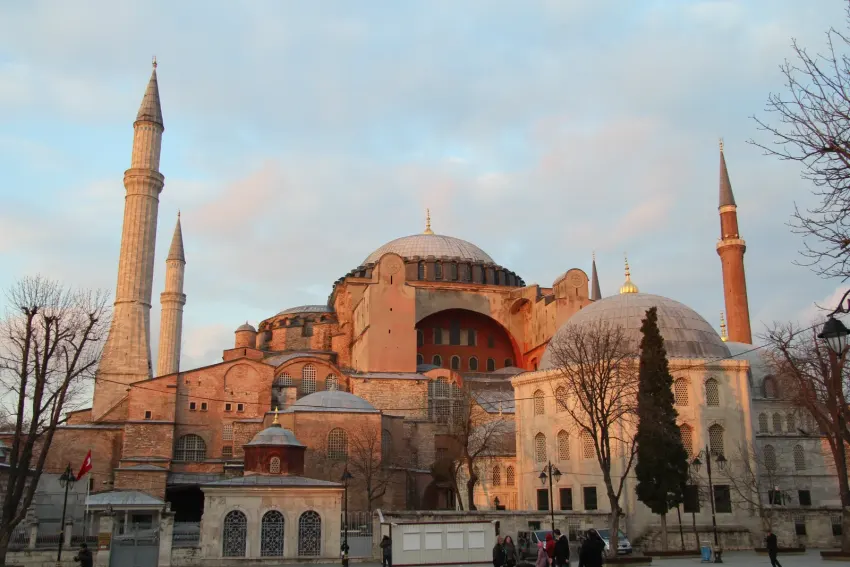
Orthodox tradition associates the apostle Andrew with Byzantium, the city later called Constantinople. This is a later ecclesial tradition rather than a dated first-century record of its founding. The early councils, Church Fathers, and centuries of liturgical life shaped the tradition received today.

Explore the Church
Faith, history, and tradition
Six ways into the full, cited guide below.
 01The Apostolic RootsFrom Jerusalem to the Christian communities of the East.Read the chapter
 02What Orthodox Christians BelieveThe Trinity, Christ, salvation, and the Holy Mysteries.Read the chapter
 04Worship and Spiritual LifeThe Divine Liturgy, prayer, and sacred images.Read the chapter
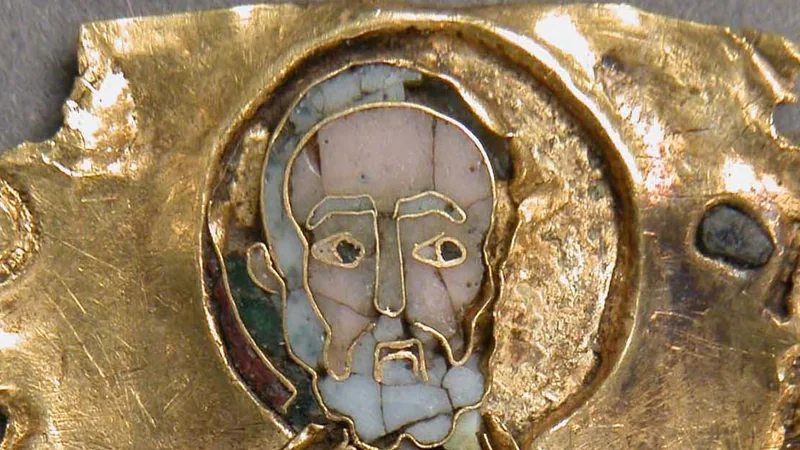 05The Early Councils and the FathersThe seven councils and teachers of the early Church.Read the chapter
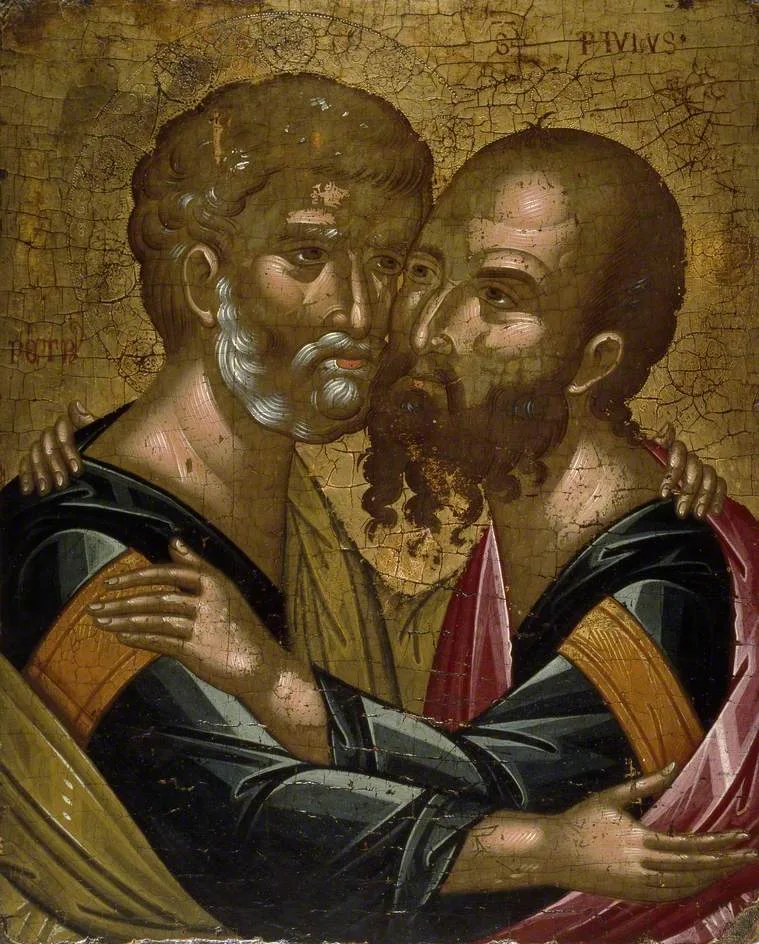 06Orthodoxy and the Christian WestShared origins, later divisions, and dialogue.Read the chapter
A living tradition
A Church of Worship, Tradition, and Communion
The Divine Liturgy gathers a local Church around the Eucharist and its bishop. Orthodox Churches govern their common life through bishops and synods while sharing apostolic faith and sacramental worship. Their relationships and leadership structures have histories of their own.
Explore worship in East and WestSource: Orthodox Church in America · How is the Church organized?
Our shared apostolic heritage
One beginning, distinct traditions
Catholic and Eastern Orthodox Christians share the confession of Jesus Christ, apostolic origins, sacramental worship, and the witness of the early councils. They also hold real differences about authority and other teachings, and full communion has not been restored.
Explore the Catholic Church Compare key differencesThe full guide
Read the chapters and sources
The original research and references continue below.
From Jerusalem to churches in many languages
An Orthodox account of its beginnings starts in Jerusalem. Acts describes the first believers receiving baptism, hearing the apostles teach, breaking bread, praying and providing for people in need. At Antioch, a community of different backgrounds worships and sends Barnabas and Saul to preach. Eastern Orthodoxy understands its continuity with these communities through a life of worship, teaching and episcopal succession that it shares with earlier generations. The apostles lived centuries before the division between Rome and Constantinople.
Language gives one example of how that inheritance travelled. In the ninth century, Cyril and Methodius undertook a mission to Great Moravia. Their work on a Slavic alphabet and translations made Christian Scripture and worship accessible to people who spoke a Slavic language. Their disciples carried on the work elsewhere. Byzantine Christianity took root far beyond the political borders of Byzantium. Its later history includes life under Ottoman rule, the emergence of self-governing local Churches and congregations formed by migration. Today the word “Eastern” describes a historical family whose members worship around the world.
The bishop, the synod and the local Church
A parish priest presides at the Eucharist with the blessing of his bishop. The bishop teaches the faith, ordains clergy and oversees the parishes of a diocese. Ignatius of Antioch already connects the bishop, presbyters and deacons with the gathered community in his letter to Smyrna. Orthodox Christians understand apostolic succession to include fidelity to apostolic faith and communion with other bishops as well as ordination.
Bishops meet in synods to decide matters affecting their Churches. An autocephalous Church chooses its own head. An autonomous Church governs many internal affairs while retaining a defined relationship with another Church. A patriarchate is a Church whose presiding bishop has the title patriarch. Other self-governing Churches may be led by an archbishop or metropolitan. Bishops share the same episcopal order even when their offices carry different responsibilities. The Ecumenical Patriarch of Constantinople holds first place of honor among Eastern Orthodox primates. Orthodox Churches themselves differ over particular rights of that office and the recognition of autocephaly.
Father, Son and Holy Spirit · The Word made flesh
At baptism the Church names the Father, the Son and the Holy Spirit. Its creed gives each a distinct confession within faith in one God. The Son is eternally begotten of the Father, and the Spirit eternally proceeds from the Father. These words describe relationships within God. They do not mark successive moments in which the Son or Spirit came into existence. The Orthodox Church recites the creed without the later Latin addition concerning the procession of the Spirit.
John opens his Gospel with the Word who was with God and was God, then tells of that Word taking flesh. Orthodox teaching identifies the man born of Mary, crucified and raised, as this same eternal Son. At Chalcedon the bishops confessed one Christ in two natures, divine and human. The distinction matters in worship. When the community addresses Jesus, it addresses the divine Son who truly shared human hunger, suffering and death. His humanity endures in his resurrection.
Reading Scripture within Holy Tradition
The Bible has a privileged place within Holy Tradition. Orthodox Christians hear the Gospel proclaimed, sing psalms and meet biblical language throughout the services. A Gospel book rests on the altar. Tradition includes the Church’s reception of these writings, its rule of faith, its worship and its teachers’ efforts to explain Scripture. The Church asks whether an interpretation accords with the apostolic proclamation it confesses at baptism and proclaims at the Eucharist.
The Fathers were historical readers with particular questions. In the second century Irenaeus challenged teachers who claimed access to a secret apostolic message. He appealed to teaching publicly preserved in Churches with links to the apostles. His account shows why Orthodox readers place such weight on the Church as a community of witnesses. A Father’s argument deserves to be read in its setting. Particular patristic opinions and a custom particular to one place carry different weight from the creed and the teaching received by the whole Church.
Questions before the seven ecumenical councils
The first two councils concerned the God to whom Christians pray. Nicaea in 325 affirmed that the Son shares the Father’s very being. Constantinople in 381 upheld the divinity of the Holy Spirit. Ephesus in 431 defended the title Theotokos for Mary because the person she bore is the eternal Son. Chalcedon in 451 confessed the full humanity and divinity of this one person. Eastern Orthodoxy receives Chalcedon. The distinct Oriental Orthodox communion has a different history of receiving these councils.
Constantinople II in 553 returned to the question of Christ’s personal unity. Constantinople III in 680–681 affirmed both his human and divine wills and activities. Nicaea II in 787 addressed the place of sacred images in worship. For Orthodox Christians the authority of these seven councils is bound up with their fidelity to the apostolic faith and their reception by the Church. Synods continued to meet after 787. Their local work and, in some cases, their wide doctrinal influence belong to the continuing history of conciliar life.
Holy Mysteries at the heart of the Divine Liturgy
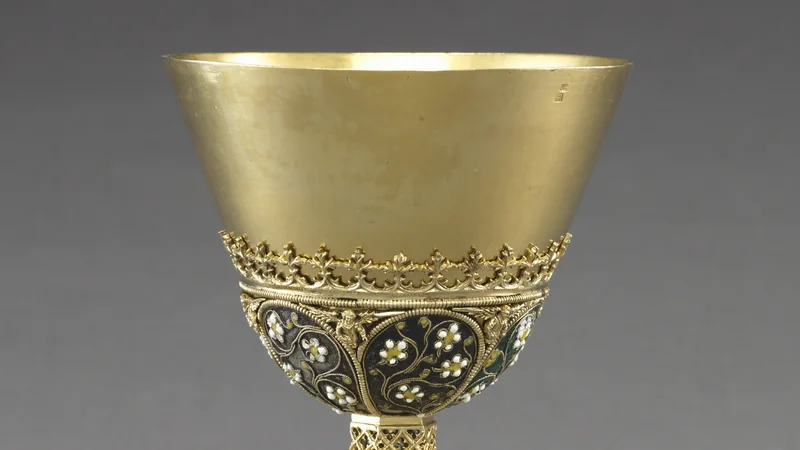
Orthodox catechisms commonly name seven mysteries. Baptism, chrismation and Communion bring a person into the sacramental life of the Church and are ordinarily received together, including by infants. Confession offers reconciliation, anointing brings prayer for healing, marriage blesses a couple’s common life, and ordination sets ministers apart for service. The word “mystery” also has a wider reach in Orthodox worship. The sevenfold list describes central acts through which God grants grace.
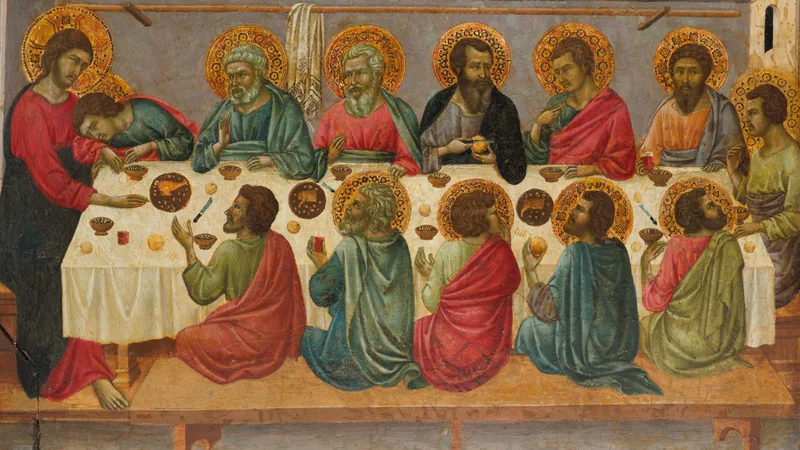
In the Divine Liturgy of Saint John Chrysostom, readings and preaching precede the offering of bread and wine. The anaphora, the great prayer of thanksgiving, recounts Christ’s saving work and asks the Father to send the Holy Spirit upon the worshippers and the gifts. Communicants receive the true Body and Blood of Christ. A second-century witness, Justin Martyr, already describes reading the apostles’ memoirs, giving thanks and distributing the Eucharist, including to the absent. The modern service’s developed form gives liturgical expression to these early convictions.
Grace, repentance and theosis
Second Peter connects sharing in divine life with the practice of self-control, perseverance and love. Orthodox Christians use the word theosis, or deification, for a human person’s participation by grace in God’s life. God remains the Creator and the person remains human. Gregory Palamas explained this participation by distinguishing God’s inaccessible essence from God’s uncreated energies, through which God really gives himself. The beginning and sustaining power of salvation are God’s gift in Christ. Human freedom has a real part in accepting that gift and living by it.
Sin damages relationships, enslaves desire and wounds communion with God. Repentance involves turning toward God in concrete choices. In confession the penitent speaks before Christ in the presence of a priest, who hears, counsels and prays for forgiveness. Where another person has suffered harm, truth-telling and repair belong to the work of repentance. The physician and the patient are recurring images in Orthodox teaching about spiritual guidance. Healing can require patient renewal throughout a lifetime.
The Theotokos, the saints and their icons
Theotokos means “God-bearer.” The title tells the worshipper who Jesus is. The child Mary bore is God the Son made human. Orthodox worship honors Mary as ever-virgin and all-holy and asks her prayers. At the Dormition, or falling asleep of Mary, feast texts celebrate her death and her sharing in her Son’s life. Orthodox Christians receive this commemoration through liturgical tradition. Its narrative details are absent from the New Testament.
A person approaching an icon may bow, kiss it or light a candle and ask a saint to pray. The Second Council of Nicaea distinguished the honor given to an image from the worship that belongs to God alone. It taught that honor shown to an image reaches the person depicted. An icon of Christ also testifies to the Incarnation. The Son assumed a visible human life. Icons of the saints bear witness to human lives transformed in him. Readers will find particular saints, artistic conventions and feast-day observances vary across local Churches.
Monastic life, stillness and the Jesus Prayer
Monks and nuns undertake a vocation of prayer, chastity, obedience and simplicity of possessions. Some live a common life with regular services, work and meals. Others live in greater solitude under spiritual guidance. Monastic communities have helped preserve forms of daily prayer used beyond their walls. A householder can draw on this inheritance while fulfilling the commitments of marriage, family and work.
Hesychasm takes its name from a Greek word for stillness. Within this tradition a person seeks attentive prayer in the heart, often through repetition of the Jesus Prayer, invoking the Lord Jesus Christ and asking his mercy. Among its uses is a simple appeal to Christ in the middle of an ordinary day. The more demanding disciplines described in ascetic writings belong within experienced spiritual direction. Orthodox teachers place the prayer within a life of repentance, love for one’s neighbor, participation in the mysteries and trust in the mercy of the person being addressed.
Fasting, almsgiving and care for a neighbor
In the Gospel’s account of the final judgment, Christ identifies himself with the hungry person who needs a meal, the stranger who needs welcome and the prisoner who needs a visit. Orthodox moral teaching asks a person to see Christ in the neighbor who makes a claim on their time or resources. Giving privately can protect the dignity of the recipient. Visiting someone isolated and making peace after a quarrel also give practical shape to the command to love.
Prayer, fasting and almsgiving traditionally accompany one another. During Great Lent, a simpler meal can free resources for someone hungry and provide an occasion to notice anger or impatience. The prescribed fast may be adapted with pastoral guidance according to health, age or circumstances. The liturgical calendar gives a community a shared discipline, while particular guidance can differ between parishes and individuals. Orthodox teaching measures the fruit of ascetic effort in the growth of mercy, integrity and love.
Death, judgment and the resurrection of the body
When Orthodox Christians bury their dead, they pray for forgiveness, rest and the mercy of God. Memorial prayers continue after the funeral. The ground of that prayer is Christ’s own passage through death. Paul’s argument in First Corinthians turns on the resurrection of the body. If Christ has been raised, those who belong to him can hope for a transformed bodily life. Death ruptures human life, and the creed looks ahead to its defeat in the resurrection of the dead.
The Church also confesses that Christ will judge the living and the dead. Its prayers entrust a particular person to him. Orthodox teachers use several biblical images to speak about heaven and hell. Thomas Hopko, writing for the Orthodox Church in America, explains how the same divine presence can be joy for one who loves God and anguish for one who resists that love. This is a theological account of judgment. The Church’s common confession affirms resurrection, judgment and the life of the age to come.
The relationship with Catholic Christianity
For centuries Eastern and Western Christians worshipped in communion despite differences of language and custom. Their estrangement developed unevenly. The censures exchanged in 1054 were directed at particular people. The Latin conquest and sack of Constantinople in 1204 deepened the wounds between communities. Disagreements about Roman primacy, the wording of the creed and the authority of later councils still affect relations. Eastern Catholics, some of whom celebrate the Byzantine liturgy, belong to the Catholic communion and have a history distinct from that of Eastern Orthodox Churches.
In 1965 Pope Paul VI and Ecumenical Patriarch Athenagoras together set aside the mutual censures of 1054. Their declaration acknowledged that further differences stood in the way of full communion. The international Catholic–Orthodox dialogue has since examined how primacy and synodal government operated across the centuries. Its agreed studies document what participants can say together and where they identify disagreement. Reception belongs to the Churches. Visitors can encounter shared creedal language and familiar liturgical gestures while understanding why Catholics and Orthodox do not ordinarily share the Eucharist.
Collection readings
Governance and communion
Eastern Orthodox Christians belong to local churches united by a common confession of faith, sacramental life and episcopal ministry. An autocephalous church governs itself through its bishops in synod. An autonomous church has a degree of self-government within a relationship to another local church. A patriarch presides in certain churches. A bishop without that title has the same sacramental office. Eastern Orthodox and Catholic Christians do not currently share full ecclesial communion.
Five patriarchal sees take shape
Rome, Constantinople, Alexandria, Antioch and Jerusalem came to hold a recognized order of precedence. Constantinople’s place rose as the imperial capital grew in importance. East and West differed over the reasons for Rome’s primacy and the reach of its authority. The joint commission at Chieti traces these distinctions through the councils and their canons.
Sources and passages (1)
Faith and the Church
The parish celebrates the Eucharist in communion with its diocesan bishop. Bishops meet in synods, and local Orthodox churches share apostolic faith and sacramental life. An autocephalous church governs its own affairs, including the choice of its primate. Self-government is compatible with belonging to one Church.
The liturgy of initiation
In Byzantine Orthodox practice the priest anoints the newly baptized with holy chrism. Infants and adults alike are then brought to Communion. These actions mark the beginning of a life in Christ and participation in the worship of the community.
Before a holy image
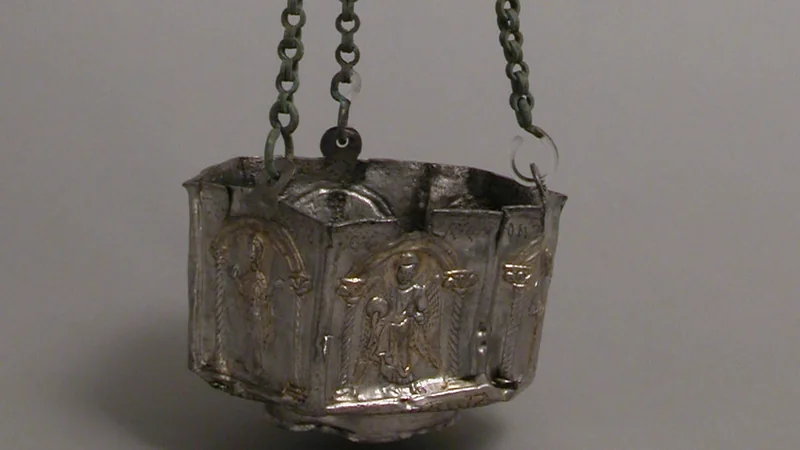
Nicaea II in 787 connected the honour given to an image with the person it depicts. An Orthodox believer kissing an icon of Christ honours Christ. A Catholic praying before an image of a saint may ask that saint to intercede. The council distinguished veneration from the worship owed to God alone. Its definition mentions pictures in churches and homes, on walls, panels and sacred vessels.
From the collection

Artwork and usage rights
Local WebP reproduction, cropped to fit the page.
