
Religious founders · Women saints · Monastics
Saint Clare of Assisi
Clare of Assisi led the community of women at San Damiano and defended a form of Franciscan poverty for her sisters. Her letters and approved rule preserve her own theological and practical voice.
- Feast day
- August 11
- Commemoration
- Catholic
- Region
- Italy
- Lifetime
- Thirteenth century
The life & witness
Who was Saint Clare of Assisi?
Chapter 01 · Life and early evidence
Leaving privilege for San Damiano
Clare was born into a prosperous family at Assisi. The Vatican's account draws on early biographies and testimony in her canonization process, including witnesses who lived with her. Inspired by Francis, she joined a life of consecrated poverty and eventually led the community at San Damiano. The detailed scene of her departure is transmitted in early Christian accounts; her subsequent leadership, writings, and community rule give firmer evidence for the vocation she pursued over decades. [2] [3]
Chapter 02 · Founding and Church approval
A rule for a community of women
Clare sought a stable communal life without the ordinary endowment of property. Her Form of Life set out prayer, mutual care, governance, and the poverty she and her sisters believed integral to their calling. Approval of the rule near her death in 1253 marked an important moment for the community. This was not simply an imitation of Francis: Clare and the sisters developed a durable women's form of Franciscan religious life in conversation with Church authorities. [1] [2] [3]
Chapter 03 · Surviving writings
Letters to Agnes of Prague
Four letters to Agnes of Prague preserve Clare's encouragement to another woman choosing religious poverty. They join the language of Christ, humility, and contemplation to the practical challenge of living that choice. In the fourth letter, the image of a mirror helps describe contemplation of Christ. These writings show a religious teacher addressing a specific correspondent, rather than a silent figure only known through biographies written by others. [1] [2]
Chapter 04 · Catholic commemoration
Death, recognition, and legacy
Clare died in 1253 and was canonized shortly afterward. Catholic sources celebrate her on August 11. The communities later known as Poor Clares trace their life to the witness of San Damiano, though their subsequent branches and rules should not be flattened into one unchanging institution. Her own texts leave a legacy of disciplined prayer, mutual care, and a determined claim that poverty could be lived by women within a recognized Church community. [2] [3] [1]
Church calendars
Documented commemoration of Clare of Assisi
These entries describe the named calendar sources below; they do not claim to survey every local church.
Catholic
In the Catholic Church
Catholic Church · Vatican News calendar
Commemorated August 11 · Date as listed in the Vatican News English calendar.
Calendar record [3]
Only one Church’s commemoration has been documented in this record. This is not a claim that other churches do not remember this saint.
Devotional reading
Prayer & devotion
Prayer for steadfast community with Saint Clare
Original composition · Catholic commemoration
Lord Jesus Christ, you strengthened Clare and her sisters in a life of shared prayer and poverty. Through her prayers, help us defend the dignity of people whose calling others dismiss, sustain faithful communities, and trust you with our daily needs. Amen.
East & West Devotions · original devotional prayer
Research notes
Historical sources
References are linked to the chapters and calendar claims they support. A devotional account is distinguished from an independent historical record.
Artwork & rights
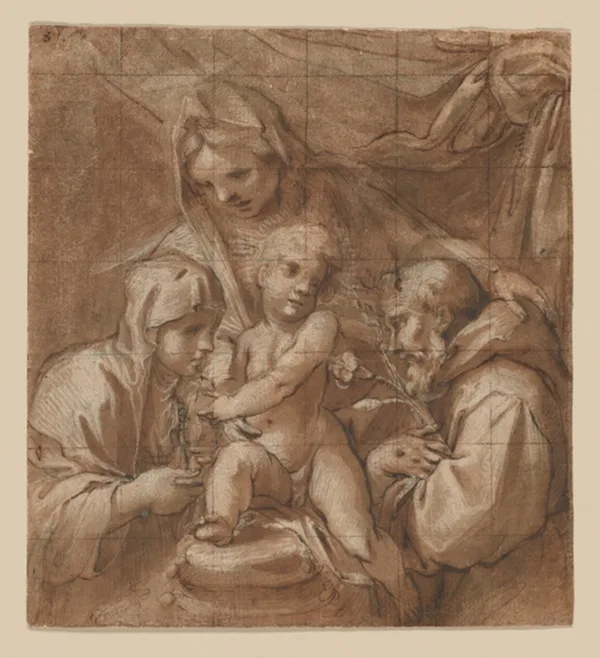
The Virgin and Child with Saint Clare and Saint Francis, School of the Carracci Family. Art Institute of Chicago. · Public domain (Art Institute of Chicago Open Access, CC0). View the source and rights record. This is a later artistic depiction, not a portrait from life.
Continue reading
Related saints & chapters
Published 2026-11-21 · Record reviewed 2026-11-21. Dates describe editorial review, not verification of every biographical claim.