
Bishops
Saint Charles Borromeo
Charles Borromeo, archbishop of Milan, made Catholic reform after the Council of Trent a practical diocesan task. His ministry included clergy formation, pastoral visits, and care during epidemic disease.
- Feast day
- November 4
- Commemoration
- Catholic
- Region
- Italy
- Lifetime
- Sixteenth century
The life & witness
Who was Saint Charles Borromeo?
Chapter 01 · Church reform
A young churchman at a council's close
Charles came from the Borromeo family and held high office while still young. He was closely involved in the final period of the Council of Trent and later became archbishop of Milan. His career began within family and ecclesiastical networks that gave him power and resources. Catholic sources emphasize that he used those circumstances to pursue reform, yet the social advantages of his position remain part of the historical picture. [1] [2]
Chapter 02 · Episcopal ministry
Reform in Milan
In Milan, Charles pressed for better clergy formation, catechesis, pastoral discipline, and visits throughout the archdiocese. The reforms were demanding and met resistance. A later papal encyclical presents him as a model of restoration, while the Vatican News account records conflict surrounding his ministry. Those sources reflect Catholic evaluation of his work; they should be read with awareness that the changes affected clergy and ordinary Christians in concrete, sometimes difficult ways. [1] [2]
Chapter 03 · Epidemic response
Disease and public care
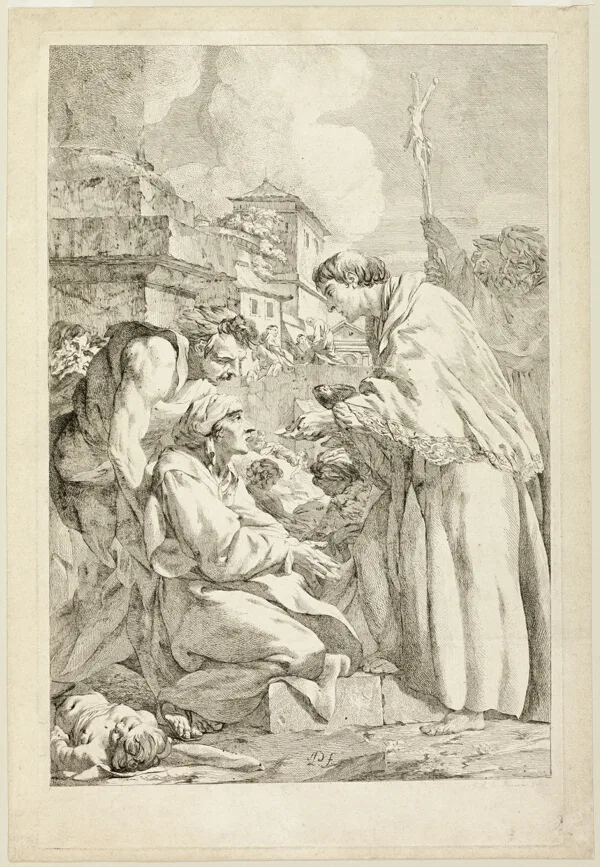
During the plague years of 1576–77, Charles remained active in care for Milan's people, visiting and aiding those who suffered. This is a central part of his remembrance. The period should not be used to promise that a particular devotional practice protects against disease. His documented pastoral response instead places attention on relief, presence, prayer, and the responsibilities of a bishop during danger. [1] [3]
Chapter 04 · Catholic commemoration
Death and continuing influence
Charles died in 1584 and was canonized in 1610. His Catholic feast falls on November 4. Seminaries, parish teaching, and episcopal visitation remained important parts of the reform tradition associated with him. Later writers sometimes make him a symbol of a single program; the more useful historical portrait joins institutional change, personal discipline, care for the sick, and the tensions of leading a large Church in a divided age. [1] [2]
Church calendars
Documented commemoration of Charles Borromeo
These entries describe the named calendar sources below; they do not claim to survey every local church.
Catholic
In the Catholic Church
Catholic Church · Vatican News calendar
Commemorated November 4 · Date as listed in the Vatican News English calendar.
Calendar record [1]
Only one Church’s commemoration has been documented in this record. This is not a claim that other churches do not remember this saint.
Devotional reading
Prayer & devotion
Prayer for faithful reform with Saint Charles
Original composition · Catholic commemoration
Lord Jesus Christ, purify your Church and strengthen those entrusted with its care. Through the prayers of Saint Charles Borromeo, make reform a work of service rather than pride, and guide us to teach faithfully, protect the vulnerable, and live what we profess. Amen.
East & West Devotions · original devotional prayer
Research notes
Historical sources
References are linked to the chapters and calendar claims they support. A devotional account is distinguished from an independent historical record.
Artwork & rights
Saint Charles Borromeo Blessing the Plague-Stricken, Jean Baptiste Marie Pierre. Art Institute of Chicago. · Public domain (Art Institute of Chicago Open Access, CC0). View the source and rights record. This is a later artistic depiction, not a portrait from life.
Continue reading
Related saints & chapters
Published 2026-11-21 · Record reviewed 2026-11-21. Dates describe editorial review, not verification of every biographical claim.