
Monastics
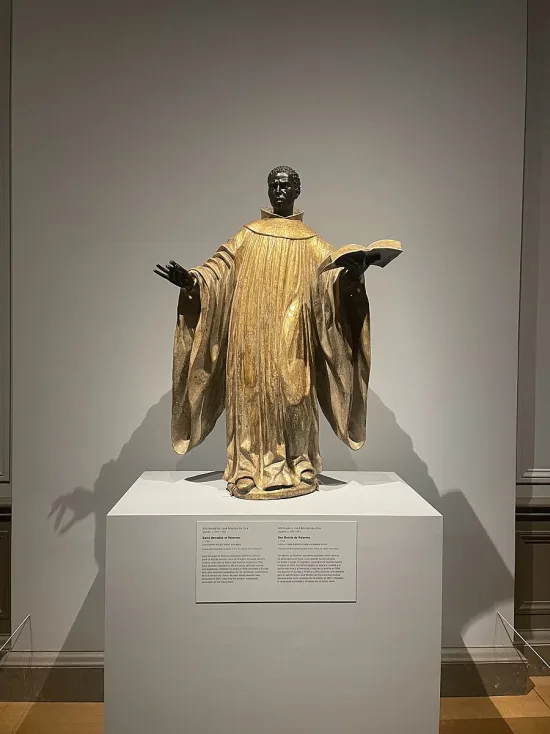
Saint Benedict the Moor
Benedict the Moor, also known as Benedict the African or Benedict of Palermo, was an Afro-Sicilian Franciscan brother whose life reveals both religious leadership and the racial hierarchies of early modern Sicily.
- Feast day
- April 4
- Commemoration
- Catholic
- Region
- Sicily
- Lifetime
- Sixteenth century; born 1524
The life & witness
Who was Saint Benedict the Moor?
Chapter 01 · Life and source limits
African family and Sicilian childhood
Franciscan accounts describe Benedict as born in Sicily to parents brought from Africa in slavery. His childhood, legal status, and exact birth date are not equally documented across later accounts. The titles 'the Moor' and 'the African' reflect historical naming practices; they should not erase his personal name or be used as a generic description of all African peoples. The experience of his family belongs in the story, not merely in a footnote. [1] [2]
Chapter 02 · Community life
Hermit and Franciscan brother
Benedict joined a group of hermits and later entered the Friars Minor at Palermo. He served in practical work, including cooking, and was entrusted with leadership in the community. Franciscan accounts especially note that such authority was unusual for a lay brother in his setting. A responsible profile gives his service and judgment as much space as popular reports of miracles. [1] [2]
Chapter 03 · Historical context
Leadership amid unequal society
His later veneration spread well beyond Sicily, including in Black Catholic communities. That history reflects devotion and also questions about race, freedom, and representation in Catholic life. It should not be made into an uncomplicated claim that the Church of his day had overcome racial inequality. The surviving accounts are largely written by others; they require care when describing his own thoughts and feelings. [1] [2]
Chapter 04 · Catholic recognition
Death and commemoration
Benedict died in Palermo in 1589. Vatican News lists him on April 4, and Franciscan sources remember him as a saint of the order. The current catalogue's artwork and calendar fields remain unchanged. Further archival study is needed to separate the oldest life records from later popular episodes and to resolve portrait provenance before claiming a fully verified historical profile. [3] [1] [2]
Church calendars
Documented commemoration of Benedict the Moor
These entries describe the named calendar sources below; they do not claim to survey every local church.
Catholic
In the Catholic Church
Catholic Church · Vatican News calendar
Commemorated April 4 · Date as listed in the Vatican News English calendar.
Calendar record [4]
Only one Church’s commemoration has been documented in this record. This is not a claim that other churches do not remember this saint.
Devotional reading
Prayer & devotion
Prayer for dignity with Saint Benedict the Moor
Original composition · Catholic commemoration
Lord Jesus Christ, you see every person whom prejudice seeks to diminish. Through the prayers of Saint Benedict the Moor, give us courage to reject racism, honor humble service, and welcome wisdom from those denied status by the world. Amen.
East & West Devotions · original devotional prayer
Research notes
Historical sources
References are linked to the chapters and calendar claims they support. A devotional account is distinguished from an independent historical record.
Artwork & rights
Saint Benedict of Palermo NGA 2022.jpg. Wikimedia Commons. Resized and converted to WebP. · CC BY-SA 4.0. View the source and rights record. This is a later artistic depiction, not a portrait from life.
Continue reading
Related saints & chapters

Published 2026-11-21 · Record reviewed 2026-11-21. Dates describe editorial review, not verification of every biographical claim.