
Theological study
The papacy
What follows from Rome’s first place among the ancient sees? Read the biblical texts and historical practices behind two accounts of universal primacy.
Read the guide ↓The two perspectives
Catholic teaching
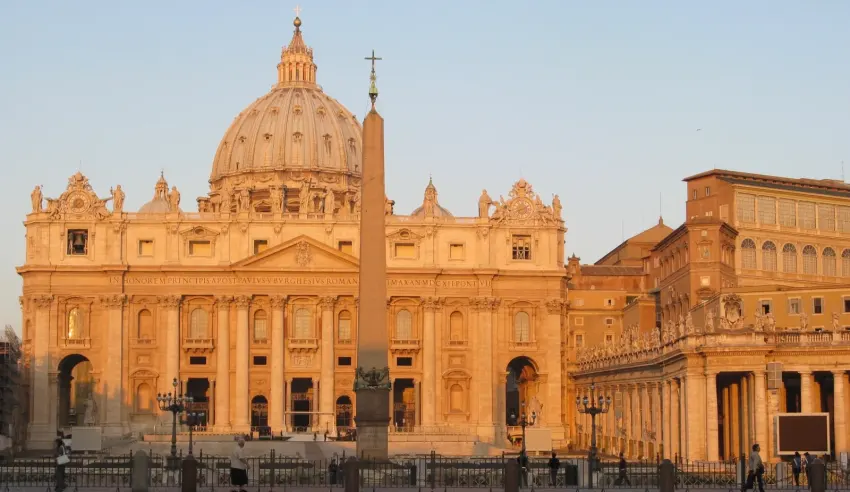
Catholics understand the bishop of Rome to succeed Peter in a ministry to the whole Church. He can exercise supreme authority personally. The bishops together with him also exercise supreme authority. Papal infallibility applies when, as shepherd of all the faithful, he definitively proclaims a doctrine of faith or morals for the whole Church.
Eastern Orthodox teaching
Eastern Orthodox Christians recognize that Rome held first place among the ancient sees. They understand primacy within the shared responsibility of bishops meeting in synod. They reject the claims that the pope has immediate jurisdiction over every local church and can define dogma infallibly by virtue of his office.
The joint commission at Chieti identified both Rome’s historic first place and differing Eastern and Western interpretations of its basis. Agreement on the ancient order of sees leaves open the question of what authority first place entails.
Peter and the keys
Matthew places Jesus’ gift of the keys after Peter’s confession of him as Messiah. In Acts 15 Peter speaks at a gathering in Jerusalem, Paul and Barnabas give testimony, James proposes a judgment, and a letter goes out in the name of the assembly. Read together, the passages place a personal commission beside a communal act of discernment.
Christians who receive both texts can still disagree about a later institution. To connect Peter’s ministry with the bishop of Rome, and then to specify the reach of that bishop’s jurisdiction, takes an argument about succession and the history of the churches.
What could Rome do?
In the first millennium, appeals to Rome, participation in councils and the order of episcopal sees all gave expression to primacy. The Chieti commission distinguishes that precedence from the jurisdiction exercised locally by Eastern bishops. Catholics and Orthodox differ about which ancient practices anticipate a permanent competence of the papal office.
The North American consultation asks what a ministry of primacy could look like within a reunited Church. Its sketch is a proposal for discussion. The Catholic definitions of universal primacy and the Orthodox objections to them remain live questions.
Artwork and usage rights

Local WebP reproduction, cropped to fit the page.