
Priests · Teachers
Saint Anthony of Padua
Anthony of Padua, also called Anthony of Lisbon, was a Franciscan preacher and teacher whose surviving sermons illuminate his attention to Scripture, prayer, and the poor.
- Feast day
- June 13
- Commemoration
- Catholic
- Region
- Portugal and Italy
- Lifetime
- Twelfth–thirteenth centuries
The life & witness
Who was Saint Anthony of Padua?
Chapter 01 · Early life and education
Fernando of Lisbon
Anthony was born Fernando in Lisbon around 1195. He entered the Augustinian canons and studied Scripture and the Church Fathers, including at Coimbra. The arrival of relics of Franciscan missionaries killed in Morocco influenced his decision to join the Friars Minor and take the name Anthony. This sequence is recorded in the Vatican's account; the many familiar miracle tales associated with him belong to a different kind of source and should not be used as the backbone of his early biography. [1]
Chapter 02 · Franciscan ministry
A vocation redirected toward preaching
Anthony hoped to travel to Morocco but illness brought him back toward Italy. After a period of relative obscurity, his preaching ability became known, and he was asked to teach and preach in Italy and France. Francis's brief letter approving his teaching of theology is part of the Franciscan memory of this ministry. Anthony's work combined learned interpretation with pastoral address; he was neither simply a classroom scholar nor only a wonder-working figure of popular devotion. [1]
Chapter 03 · Surviving works
Sermons, prayer, and the poor
His Sunday Sermons and Sermons on the Saints were written for preachers and teachers. They interpret Scripture within the liturgical year and urge prayer, generosity, and moral change. The Vatican's account stresses his criticism of indifference to people in poverty. These works provide a direct view of his teaching even though they do not reproduce each spoken sermon word for word. [1]
Chapter 04 · Catholic commemoration
Padua and recognition
Anthony died near Padua on June 13, 1231 and was canonized the following year. In 1946 he was declared a Doctor of the Church, a recognition tied especially to his teaching. Popular images of the Child Jesus and the lily express later devotional traditions; they should be labeled as such rather than treated as documented scenes from his life. His feast remains June 13 in the Catholic calendar. [1]
Church calendars
Documented commemoration of Anthony of Padua
These entries describe the named calendar sources below; they do not claim to survey every local church.
Catholic
In the Catholic Church
Catholic Church · Vatican News calendar
Commemorated June 13 · Date as listed in the Vatican News English calendar.
Calendar record [2]
Only one Church’s commemoration has been documented in this record. This is not a claim that other churches do not remember this saint.
Devotional reading
Prayer & devotion
Prayer for those in need with Saint Anthony
Original composition · Catholic commemoration
Lord Jesus Christ, you know what we have lost and what our neighbors lack. Through the prayers of Saint Anthony of Padua, teach us to seek you before possessions, care for the poor, and speak with kindness and clarity. Amen.
East & West Devotions · original devotional prayer
Research notes
Historical sources
References are linked to the chapters and calendar claims they support. A devotional account is distinguished from an independent historical record.
Artwork & rights
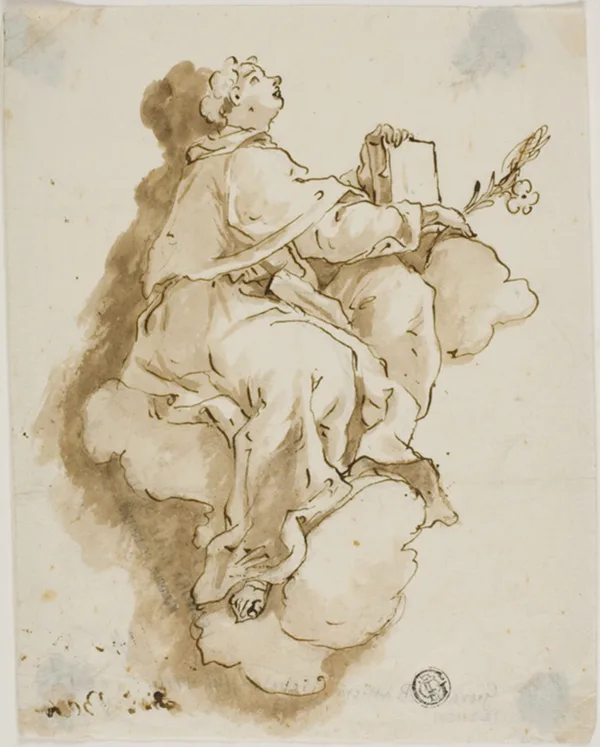
Saint Anthony of Padua, Giovanni Battista Tiepolo. Art Institute of Chicago. · Public domain (Art Institute of Chicago Open Access, CC0). View the source and rights record. This is a later artistic depiction, not a portrait from life.
Continue reading
Related saints & chapters
Published 2026-11-21 · Record reviewed 2026-11-21. Dates describe editorial review, not verification of every biographical claim.